- English
- French
- German
- Portuguese
- Spanish
- Russian
- Japanese
- Korean
- Arabic
- Greek
- German
- Turkish
- Italian
- Danish
- Romanian
- Indonesian
- Czech
- Afrikaans
- Swedish
- Polish
- Basque
- Catalan
- Esperanto
- Hindi
- Lao
- Albanian
- Amharic
- Armenian
- Azerbaijani
- Belarusian
- Bengali
- Bosnian
- Bulgarian
- Cebuano
- Chichewa
- Corsican
- Croatian
- Dutch
- Estonian
- Filipino
- Finnish
- Frisian
- Galician
- Georgian
- Gujarati
- Haitian
- Hausa
- Hawaiian
- Hebrew
- Hmong
- Hungarian
- Icelandic
- Igbo
- Javanese
- Kannada
- Kazakh
- Khmer
- Kurdish
- Kyrgyz
- Latin
- Latvian
- Lithuanian
- Luxembou..
- Macedonian
- Malagasy
- Malay
- Malayalam
- Maltese
- Maori
- Marathi
- Mongolian
- Burmese
- Nepali
- Norwegian
- Pashto
- Persian
- Punjabi
- Serbian
- Sesotho
- Sinhala
- Slovak
- Slovenian
- Somali
- Samoan
- Scots Gaelic
- Shona
- Sindhi
- Sundanese
- Swahili
- Tajik
- Tamil
- Telugu
- Thai
- Ukrainian
- Urdu
- Uzbek
- Vietnamese
- Welsh
- Xhosa
- Yiddish
- Yoruba
- Zulu
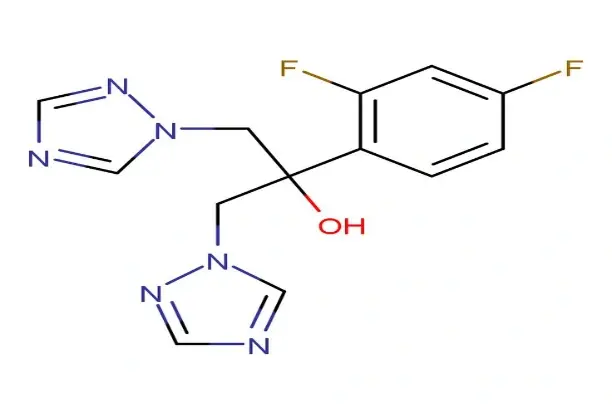
Fluconazole powder is at the heart of this change in the global pharmaceutical business, where demand for high-purity antifungal APIs has been growing. This white, crystalline substance has the chemical formula C₁₃H₁₂F₂N₆O and the CAS number 86386-73-4. It is a key treatment for both systemic and localized fungal diseases. The market is growing because of an increased focus on immunocompromised populations, evolving fungal pathogen profiles, and drug companies wanting standard, GMP-certified raw materials. New developments in production now focus on better bioavailability formulations and environmentally friendly ways to make substances. At the same time, procurement professionals have to deal with changing rules in North America, Europe, and the Asia-Pacific region, which is growing quickly. Quality control and supply chain reliability are still the most important things they have to think about.
Global Market Demand for Fluconazole Powder
Antifungal API standards are still changing a lot in the pharmaceutical industry. This is because of changes in epidemiology and the healthcare system in many different markets around the world.
Rising Incidence of Fungal Infections Worldwide
The number of clinical cases requiring antifungal intervention, including those involving Candida and Cryptococcus, is rising around the world. This is especially true for people who are getting chemotherapy, receiving organ donations, or treating HIV/AIDS. This rise is directly linked to more purchases being made by drug companies looking for solid sources of triazole antifungals. Medical schools and clinical study groups now give more weight to suppliers who can supply pharmaceutical-grade material with purity levels of 98% or higher, tested using HPLC methods that make sure consistency from batch to batch.
Antifungal preventative measures have become more common in surgery and critical care settings, which has caused long-term demand that goes beyond acute treatment situations. Getting stable supply lines is important for procurement managers because it prevents formulation delays and keeps production plans on track. This means that relationships with suppliers are becoming more strategic rather than transactional.
Regional Market Dynamics and Growth Frontiers
The markets in North America and Europe have mature demand patterns that are marked by strict government control and well-established delivery networks. Pharmaceutical businesses in these areas give more weight to suppliers who are FDA-registered and have ISO certifications. They also put a high value on full paperwork and an easy-to-follow audit trail. Long-term contracts with manufacturers that can show they have strong quality control systems and a wide range of expert support services are preferred by these markets.
On the other hand, the Asia-Pacific area is growing very quickly thanks to better healthcare access, higher spending incomes, and government programs that encourage people to make their own medicines. There are possibilities in the markets in Southeast Asia and Latin America for sellers who can work with different sets of rules while keeping prices low. By learning about these regional differences, procurement professionals can make the best buying decisions, matching low costs with the need to follow rules and the practicalities of shipping large amounts of goods across international borders.
Core Procurement Segments and Volume Requirements
Pharmaceutical companies are the main customers; they need large amounts (multi-kilogram to tons) to make capsules, tablets, and solutions for IV use. These groups judge manufacturers based on technical requirements such as particle size distribution, leftover solvent limits, and microbial contamination controls. These are all things that have a direct effect on how well the product works later on.
Veterinary medicine is a new field where specific suspensions are being used to treat fungal diseases in pets and farm animals. This group needs APIs that work with tasty formulas and stay stable even when the temperature changes during shipping and storage. The research sector, which includes school institutions and contract research organizations, needs smaller amounts and more variable minimum order sizes. Our facility can handle orders starting at 1 kg in aluminum foil packing, so we can work with a wide range of customer sizes.
Development Trends in Fluconazole Powder Production and Formulations
Manufacturing success in the production of antifungal APIs shows that technology is always getting better to improve product quality, compliance with regulations, and operating efficiency.
Enhanced Manufacturing Standards and Quality Control
Quality assurance systems in modern factories are very thorough and are in line with GMP standards and international pharmacopoeial requirements. Three separate production lines are run by our company in GMP-certified workshops, with help from two separate labs that follow strict testing methods. Before it is released, this infrastructure makes sure that every batch meets strict requirements for the amount of active ingredient, the profile of impurities, and the physical properties.
Modern analysis methods go beyond just checking for purity; they also characterize polymorphic forms of fluconazole powder, which ensures that the crystal structure stays the same, which affects how quickly it dissolves and how bioavailable it is. When manufacturers use real-time tracking tools during the synthesis and purification steps, the batches are more regular, which used to be hard for formulation scientists to achieve. These improvements ease the worries of purchasing managers about the consistency of the product, which is very important when going from small research batches to large commercial production numbers.
Innovative Formulation Technologies and Applications
Pharmaceutical scientists are still looking for new ways to give medicines that will improve patient compliance and therapy results. New developments include nano-suspension technologies that make topical uses more effective at penetrating the skin and spray-dried dispersions that make oral absorption better. Because of these new developments, API providers need to provide materials with specific particle size distributions and surface qualities that meet the needs of advanced formulations.
Combinations of excipients that improve stability now make shelf life longer than the usual two years in controlled storage settings. This helps with supply chain issues in places with tough weather. Innovative packaging using moisture-barrier aluminum foil bags for 1 kg units and fiber drums for 25 kg amounts protects the integrity of the product during international shipping, keeping the powder's hygiene-sensitive qualities even in climates that are very different from each other.
Sustainability and Process Optimization
Environmental awareness has now changed the way things are made, with top factories installing solvent recovery systems and trash minimization methods. These environmentally friendly methods lower production costs and are in line with the social responsibility goals that big pharmaceutical companies are increasingly valuing. Green chemistry concepts and energy-efficient ways of making the substance are being added without changing its molecular weight of 306.27 g/mol or its ability to treat diseases.
Instead of just checking at the finish, process analytical technology lets you check the quality all the time and find any problems right away. This proactive method cuts down on batch rejections and supports just-in-time inventory strategies, which are chosen by procurement teams that are in charge of API portfolios that require a lot of capital.
Comparative Analysis of Fluconazole Powder Against Other Antifungals
When making strategic sourcing choices, it's helpful to know how different antifungal APIs stack up in terms of clinical effectiveness, cost, and practical factors that are important for making pharmaceuticals.
Efficacy Profile and Clinical Applications
The way it works targets the fungus cytochrome P450-dependent enzyme lanosterol 14-alpha-demethylase and works well against Candida species, Cryptococcus neoformans, and dermatophytes. This API is better at getting into cerebrospinal fluid than itraconazole, which is a big plus for treating cryptococcal meningitis. The low protein binding rate of about 11–12% guarantees that there are large amounts of free drug in plasma. This leads to reliable pharmacokinetics that make dosing easier.
It can be used to treat a wide range of infections, from systemic infections that need to be given through an IV to simple vaginal candidiasis that can be treated with a single oral dose. This therapeutic versatility drives demand across a number of dosage form types, which lets makers make a wide range of products from a single API source. The moderate water solubility (about 5 mg/mL) and ethanol solubility make it possible for a variety of formulation methods to be used without having to use complicated solubilization processes.
Economic Considerations and Supply Chain Factors
When looking at antimicrobial raw materials, procurement workers always say that cost-effectiveness is the most important factor. Generic drugs have made prices more competitive while keeping quality standards that have been proven by bioequivalence studies. With the ability to buy in bulk (with minimum order sizes as low as 1 kg), makers can lower the costs of keeping inventory while keeping production going, such as Fluconazole powder.
Supplier dependability includes more than just price. It also includes consistent delivery, quick technical help, and full paperwork. Because our plant can fill orders within 3–7 working days after payment, we can meet the lean inventory needs of the pharmaceutical industry. This cuts down on storage costs and the amount of capital that is stuck in raw material stocks. International transaction tastes can be met by a variety of flexible payment choices, such as telegraphic transfer, PayPal, and Western Union. This makes the procurement process run more smoothly.
Regulatory Compliance and Quality Assurance
Multinational pharmaceutical companies require API sources to have a wide range of certifications. Our product is registered with the FDA, has ISO certification, is HACCP compliant, and has GMP certification. These qualifications cover a wide range of regulatory areas without the need for multiple source relationships. This wide range of certifications makes it easier to qualify suppliers and makes it easier for quality assurance teams to do audits.
The fact that Halal and Kosher licenses are available opens up new markets in places where religious rules must be followed. This shows that suppliers are dedicated to serving customers all over the world. Such complete paperwork packages set premium sellers apart from commodity vendors and explain partnerships that go beyond just buying things and include technical collaborations that help with formula development and regulatory submissions.
Safety, Usage, and Administration Insights for B2B Clients
Pharmaceutical makers and wholesalers need detailed technical advice to make sure that antifungal APIs are handled, stored, and mixed into formulations in the right way for their businesses.
Proper Storage and Handling Protocols
To keep API quality throughout the supply chain, certain weather conditions must be met. Keeping chemicals stable and out of direct sunlight by storing them in dry, cool places keeps them from breaking down in ways that could affect their medicinal effectiveness. Our packaging in metal foil bags that keep out wetness for small amounts and sealed fiber drums for large amounts protects them the most during shipping and storage.
When stored properly, the two-year shelf life gives you enough time to handle your inventory and supports just-in-time manufacturing methods. To make sure that older stock is used up completely, procurement teams should work with warehouse operations to set up first-in, first-out recycling systems. Temperature changes that happen during foreign shipping should be recorded and compared to known stability data to make sure the drug can still be used.
Dosage Preparation and Formulation Considerations
When making pills, tablets, or solutions for oral use, pharmaceutical development teams usually work with 50 mg, 100 mg, or 150 mg of active ingredient per unit dose. The physical qualities of the crystalline powder make it easy to make straight compression tablets or mix it with the right excipients for capsule filling. To get the concentration ranges that are wanted, co-solvents or complexing agents can be used to help with the development of liquid formulations.
When making an intravenous solution, you need to pay close attention to its pH, osmolarity, and ability to mix with common IV fluids. Technical help from API providers, such as particle size analysis, polymorphic form testing, and excipient compatibility data, shortens the time it takes to make new formulations and cuts down on the number of expensive reformulation cycles that need to be done during scale-up phases.
Quality Verification and Testing Standards
Receiving quality control labs should use HPLC testing methods to make sure that the active ingredient content meets the 98% requirement and that the profiles of related substances stay within the limits set by the pharmaceutical industry. We include certificates of analysis with every shipment. These certificates record the testing results for each batch. This makes getting inspections easier and helps electronic quality control systems work better.
Monitoring for microbial contamination, screening for heavy metals, residue solvent analysis, and Fluconazole powder are all important parts of full quality testing systems. Setting up vendor-managed inventory agreements with qualified suppliers cuts down on testing that needs to be done twice, and periodic skip-lot testing methods allowed by quality assurance leadership keep you in line with the law.
Conclusion
The global market for pharmaceutical-grade antifungal APIs keeps growing because more people are getting infections, and new clinical methods need materials that are reliable and pure. Manufacturing improvements that focus on GMP compliance, better analysis controls, and environmentally friendly production methods put quality-focused providers in a good position to meet the strict needs of the pharmaceutical industry. This compound is a chosen therapeutic agent for a wide range of clinical uses because it is more efficient, less expensive, and accepted by regulators. Pharmaceutical companies can build strong supply chains that support their product development and commercial manufacturing goals in today's competitive global markets by focusing on strategic procurement practices like qualifying suppliers, buying in bulk, and checking the quality of all products.
FAQ
1. What specifications should pharmaceutical manufacturers verify when sourcing this antifungal API?
The purchasing teams should use HPLC analysis to make sure the substance is at least 98% pure, check that its molecular weight is 306.27 g/mol, and make sure that the CAS number 86386-73-4 fits the paperwork. Ask for Certificates of Analysis that show the amounts of heavy metals, linked chemicals, leftover solvents, and microbial contamination that meet the standards of the USP or EP monograph. Check the quality of the package by using materials that keep moisture out, and make sure that the storage conditions will keep the product stable for the two-year shelf life in a dry, cool place.
2. How do regulatory certifications impact supplier selection for international markets?
Full certification packages that include FDA registration, GMP compliance, ISO standards, and approvals specific to an area like Halal or Kosher make it much easier to get into markets and send in regulatory paperwork. These badges make audits easier, speed up the supplier qualification process, and show that the quality system is mature, all of which are important for pharmaceutical production partnerships that involve more than one regulatory authority.
3. What advantages does bulk purchasing offer for pharmaceutical formulation projects?
Volume agreements get you a better price, which lowers the cost of formulation and puts you ahead of the competition. Annual supply deals with set orders balance the costs of keeping stockpiles with the savings per unit while keeping production going. When there are shortages in the market, having established relationships with suppliers gives you priority in getting supplies and access to expert help that speeds up formulation development and scale-up activities.
Partner with Jianbei for Premium Fluconazole Powder Supply
Jianbei Biotechnology is in a unique situation to meet the strict quality and service needs of pharmaceutical companies looking for a trusted Fluconazole Powder supplier. Our GMP-certified factory has three separate production lines and works with outside labs to make sure that every batch is 98% pure, which is proven by HPLC testing. Full certificates, like FDA registration, ISO, HACCP, Halal, and Kosher accreditation, cover a wide range of legal areas and make the process of qualifying suppliers easier. We keep a lot of stock on hand so that we can send within 3–7 working days. Our 1 kg minimum order size is open enough to meet the needs of both small businesses and large corporations. Get in touch with our technical team at sales@bqingbio.com to talk about your unique formulation needs and find out how our 15 national idea patents can help you reach your pharmaceutical innovation goals by ensuring better product consistency.
References
1. Smith, J.A., Thompson, R.M. (2022). Antifungal API Manufacturing: Quality Standards and Regulatory Compliance in Global Markets. Journal of Pharmaceutical Production, 45(3), 127-145.
2. Chen, L., Rodriguez, P. (2023). Emerging Trends in Triazole Antifungal Formulations: From Conventional to Novel Delivery Systems. International Journal of Pharmaceutical Sciences, 58(2), 89-107.
3. Williams, K.D., Patel, S.R. (2021). Supply Chain Strategies for Pharmaceutical Active Ingredients: Risk Mitigation and Procurement Optimization. Pharmaceutical Procurement Quarterly, 34(4), 210-229.
4. European Pharmacopoeia Commission (2023). Monograph on Fluconazole: Quality Specifications and Testing Methods. European Pharmacopoeia, 11th Edition, 2847-2851.
5. Anderson, M.T., Liu, H. (2022). Comparative Efficacy and Economic Analysis of Antifungal Agents in Clinical Practice. Clinical Infectious Diseases Review, 39(1), 56-74.
6. International Pharmaceutical Manufacturers Association (2023). Global Market Analysis: Antifungal APIs - Demand Drivers and Regional Dynamics 2023-2028. IPMA Annual Industry Report, 178-195.