- English
- French
- German
- Portuguese
- Spanish
- Russian
- Japanese
- Korean
- Arabic
- Greek
- German
- Turkish
- Italian
- Danish
- Romanian
- Indonesian
- Czech
- Afrikaans
- Swedish
- Polish
- Basque
- Catalan
- Esperanto
- Hindi
- Lao
- Albanian
- Amharic
- Armenian
- Azerbaijani
- Belarusian
- Bengali
- Bosnian
- Bulgarian
- Cebuano
- Chichewa
- Corsican
- Croatian
- Dutch
- Estonian
- Filipino
- Finnish
- Frisian
- Galician
- Georgian
- Gujarati
- Haitian
- Hausa
- Hawaiian
- Hebrew
- Hmong
- Hungarian
- Icelandic
- Igbo
- Javanese
- Kannada
- Kazakh
- Khmer
- Kurdish
- Kyrgyz
- Latin
- Latvian
- Lithuanian
- Luxembou..
- Macedonian
- Malagasy
- Malay
- Malayalam
- Maltese
- Maori
- Marathi
- Mongolian
- Burmese
- Nepali
- Norwegian
- Pashto
- Persian
- Punjabi
- Serbian
- Sesotho
- Sinhala
- Slovak
- Slovenian
- Somali
- Samoan
- Scots Gaelic
- Shona
- Sindhi
- Sundanese
- Swahili
- Tajik
- Tamil
- Telugu
- Thai
- Ukrainian
- Urdu
- Uzbek
- Vietnamese
- Welsh
- Xhosa
- Yiddish
- Yoruba
- Zulu
When drug companies look at active pharmaceutical ingredients for mental health formulations, the raw material they choose has a direct effect on how well the product works, how well it meets legal requirements, and how competitive the market is. Today, fluoxetine powder is one of the most important ingredients in making mental health products. It gives drug companies a solid base for making mood management and other related therapeutic goods. This substance is a selective serotonin reuptake inhibitor (SSRI) that comes in the form of a highly pure powder. It allows for exact dosage control and a variety of formulation techniques that can be used in a number of different delivery systems. Working with R&D leaders and procurement managers has taught us that in order to get pharmaceutical-grade fluoxetine, you need to know about its chemical properties, regulatory standards, and real-world uses in drug research. This complete guide talks about how fluoxetine powder is used in the pharmaceutical business, from learning about its basic properties to buying it in a way that meets production goals and quality standards.
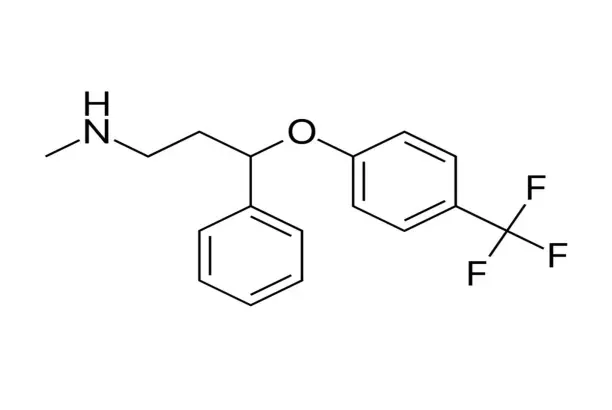
Understanding Fluoxetine Powder: Properties and Mechanism
The chemical makeup of fluoxetine determines how well it works as a medicine and how easily it can be made. This white-to-off-white solid powder has a molecular weight of 309.33 and a chemical formula of C₁₇H₁₈F₃NO. It meets 98% purity standards, which are necessary for drug preparation. The substance looks like a fine fluoxetine powder with evenly spaced particles, which makes it easier to blend evenly when compressing tablets and filling capsules.
Chemical Characteristics and Stability Profile
When kept in a dry, cool place, fluoxetine powder is very resistant to changes in temperature. It can stay effective for up to two years if it is sealed. The crystalline structure of the compound ensures stability from batch to batch, which is very important for makers who want to keep their approved production methods. High-Performance Liquid Chromatography (HPLC) testing checks the quality of the chemicals and finds any possible impurities, making sure that every batch meets the standards of the USP or EP monograph. When pharmaceutical formulators use powders instead of pre-formed dose units, they can get more accurate weight readings during compounding. This cuts down on material waste and saves money.
SSRI Mechanism and Therapeutic Relevance
The substance works by blocking specific serotonin absorption at the synapses between neurons. By stopping serotonin transporter proteins from taking this chemical out of synaptic clefts, fluoxetine successfully raises the amount of serotonin that is available in brain pathways that influence mood. This way of working addresses certain neurochemical patterns. This means that fluoxetine-based medicines can help support individuals facing mood challenges, obsessive-compulsive patterns, and anxiety-related experiences. Pharmaceutical companies use this well-studied process to create combination treatments or modified-release formulations that keep patients compliant while optimizing therapeutic windows.
Quality Standards and Regulatory Framework
Good Manufacturing Practice (GMP) standards, ISO certifications, and local legal requirements, such as FDA licensing for U.S. markets, must be followed when making Fluoxetine powder. For processing, purification, and packing, facilities that make pharmaceutical-grade materials must use approved methods. Certificates of Analysis (CoA), stability data, and residue solvent test results are common things that are included in documentation packages. According to pharmacopeial guidelines, the amount of heavy metals must stay below 20 ppm, and the amount of each impurity must not be more than 0.1%. These strict controls ensure that pharmaceutical companies further down the line receive materials suitable for human use. This supports preparation processes and helps with regulatory reports for finished dosage forms.
Common Pharmaceutical Applications of Fluoxetine Powder
Pharmaceutical companies use fluoxetine powder in a number of different product types, and each one needs a different way of being made and certain quality standards. Compared to finished dosage forms, the powder format is much more flexible when it comes to making and dose customization.
Antidepressant Tablet and Capsule Manufacturing
Manufacturing tablets is the most common use for fluoxetine powder in the pharmaceutical industry. Before the direct compression or wet granulation methods, the active ingredient is mixed with fillers like microcrystalline cellulose, lactose monohydrate, and magnesium stearate. The powder's particle size affects how easily it flows through tablet presses, which in turn affects how fast the tablets are made and how hard they must be. Capsule versions offer an alternative way to deliver medicines, especially for people who have trouble swallowing pills. For correct filling weights across production runs, encapsulation processes need Fluoxetine powder with a controlled bulk density. The chemical stability of the powder makes it good for both tablets and capsules. It can handle normal production stresses, like compression forces and light temperature exposure during coating operations.
Liquid Suspension and Solution Development
Compounding labs and specialty drug makers use fluoxetine powder as a starting material to make liquid formulas. These preparations are given to patients who need dosage changes outside of the widely available amounts. Formulation scientists mix or dissolve the powder in vehicles that have stabilizers, flavorings, and suspending agents that hide the natural taste of the substance. The powder form makes it easy to measure out the small amounts that are needed for low-dose formulas, which supports reliable delivery. To figure out how long a liquid product will last, it needs to go through more stability testing because the active ingredients may break down in different ways than in solid dosage forms.
Combination Therapy Formulations
A new study is looking into how fluoxetine might work better with other medicines, which could lead to the development of fixed-dose combination goods. Pharmaceutical companies mix fluoxetine powder with other substances that work on different neurochemical routes or address conditions that occur at the same time. The powder form makes mixing easier during formulation development, which lets researchers test different dosage levels during clinical studies. These combination approaches address complex mental health experiences and might help patients stick to their treatment plans by making it easier for them to take their pills. Some of the hardest parts of formulating are making sure that the active ingredients don't react chemically with each other and keeping each component stable throughout the product's shelf life.
Veterinary Medication Applications
Animal health companies change fluoxetine powder so that it can be used in veterinary settings, especially to address behavioral patterns in pets. Veterinary recipes often put the powder into flavored chewable pills or transdermal creams that are easier for pet owners to use. Because the powder is so flexible, makers can make dosage forms for animals of all sizes, from small cats to big dogs, which have different strength requirements than drugs for humans. The approval process for veterinary drugs is different from that for human drugs, but strict quality standards are still in place to ensure safety and effectiveness for animals.
Procurement Guide: How to Source High-Quality Fluoxetine Powder?
When pharmaceutical procurement teams choose fluoxetine powder suppliers, they have to make tough choices that balance quality guarantees, legal compliance, and business needs. Setting up reliable supply relationships requires thorough processes for evaluating suppliers and checking their work.
Supplier Qualification and Certification Verification
Suppliers who are qualified keep their GMP licenses, ISO quality management systems, and building registrations up to date with the right regulatory bodies. Jianbei Biotechnology is a good example of this standard because it has many certifications, such as FDA registration, ISO compliance, HALAL, HACCP, and kosher certificates, that meet the needs of different markets. When evaluating a provider for the first time, procurement managers should ask to see copies of manufacturing licenses, facility inspection reports, and paperwork for the quality management system. Internal quality teams or outside inspectors visit the manufacturing sites to make sure they meet pharmaceutical standards. These standards include cleanroom classifications, equipment qualification processes, and training programs for staff. Suppliers that have more than one production line and separate labs show that they can keep up with production and quality control. For example, Jianbei has three production lines and two separate labs in GMP-standard workshops.
Quality Documentation and Analytical Testing
Each package of Fluoxetine powder should come with a lot of paperwork that proves the quality of the material and lets you track it. Certificates of Analysis show information about each batch, such as the heavy metal content, microbial test results, leftover solvent levels, and HPLC results that show how pure the sample is. It is helpful for procurement teams to ask for stable data that shows the material stays in the right conditions throughout its claimed shelf life when stored in the right way. Before making big purchases, drug companies should get samples for independent testing, then compare the analytical results from the seller with the results from their own labs. The confirmation step makes sure that the materials are real and that the quality is always the same. This lowers formulation risks during operations that involve scaling up.
Commercial Terms and Logistics Planning
Pharmaceutical raw materials, including fluoxetine powder, are priced based on their quality levels, order amounts, and how the market is changing. For specialty uses, the smallest order quantity is usually 1 kg. For production-scale processes, however, you need multiple kilograms or drum numbers (25 kg standard packaging). Payment terms depend on the seller and buyer. For foreign transactions, wire transfer, PayPal, Western Union, and Alipay are all choices. Delivery times affect production plans; dependable providers like Jianbei promise delivery within 3–7 business days of receiving payment, which helps just-in-time stocking strategies. Specifications for packaging are important for keeping materials intact while they're being shipped. For example, metal foil bags keep out wetness and light, and fiber drums keep things from breaking during shipping. International orders need to be coordinated with customs traders who know the rules about importing pharmaceuticals. This includes making sure that the right paperwork is included, like a CAS number (54910-89-3) and material safety data sheets.
Comparing Fluoxetine Powder: Choosing the Best Formulation for Your Needs
When pharmaceutical companies choose where to get fluoxetine powder, they look at a lot of different factors. They compare the properties of the materials to the needs of the product and the company's financial goals. Strategic buying that fits with product development goals is possible when you know the differences between the choices you have.
Generic Powder Versus Branded Active Ingredients
Generic fluoxetine powder made to standard guidelines is cheaper than brand-name fluoxetine powder while still meeting quality standards for most medicinal uses. These materials are tested the same way as named alternatives and meet the same purity standards. This makes them appealing to price-conscious customers or generic medicine makers. Branded active pharmaceutical ingredients can offer extra technical help, like formulation advice and longer stable data packages that shorten the time it takes to make a new product. When buying something, people often have to weigh the benefits of short-term cost savings against the benefits of long-term supplier ties and expert tools that help with formulation troubleshooting.
Powder Form Advantages Over Alternative Formats
The most preparation options are available when you choose raw powder over pre-formulated goods. Instead of having to work around fixed-combination limits, pharmaceutical makers can choose which excipients to use, how much to use, and how the transport system is designed. The powder form makes quality control easier because the active ingredient can be tested directly before it is mixed. Finished dosage forms, on the other hand, need to be dissolved or extracted before they can be analyzed. When factories use bulk powder, they can better keep track of their stock because one batch of raw materials can be used for multiple product lines or dosage amounts by following different formulation procedures. This flexibility cuts down on the amount of working capital needed compared to keeping separate stocks of different finishing dosage sizes.
Evaluating Supplier Capabilities and Support
A supplier's business traits affect the long-term value of a relationship in addition to the quality of the materials, such as fluoxetine powder. Companies like Jianbei Biotechnology show that they are good at manufacturing by having dedicated production facilities. For example, the fact that they run three production lines shows that they can handle bigger orders without breaking their delivery promises. Independent labs show that they can do their own quality control instead of relying on outside testing services, which could cut down on the time it takes to release batches. Technical teams that know a lot about pharmaceutical formulations can help customers make their formulations more stable and bioavailable during the creation process. Export-focused sellers know what international shipping rules and legal paperwork are needed, which makes it easier for pharmaceutical companies in other countries to buy things across borders.
Conclusion
Fluoxetine powder is an important active pharmaceutical ingredient for making mental health medicines. It gives drug companies the quality, flexibility, and legal compliance they need to successfully market their products. Knowing its chemical makeup, how it works in medicine, and real-world uses helps people make smart purchasing choices that balance quality needs with business goals. Strategies for sourcing that focus on qualifying suppliers, checking their work analytically, and planning logistics create reliable supply lines that support steady pharmaceutical production. As new combination therapies and specialized delivery methods are developed for mental health care, fluoxetine powder remains an important building block for new drug discoveries that support a wide range of patients around the world.
FAQ
1. What purity specifications should pharmaceutical manufacturers require for fluoxetine powder?
Pharmaceutical-grade fluoxetine powder should be at least 98% pure, as shown by HPLC testing, with no more than 0.1% impurities per gram and no more than 2% impurities in total. Heavy metals must stay below 20 ppm, and any chemicals that are left over must follow the rules set by ICH Q3C. These requirements ensure the material is suitable for human use and help with regulatory reports.
2. How should fluoxetine powder be stored to maintain its stability?
For storage to work right, it needs to be dry, cool, and out of direct sunlight. When cases are sealed, moisture can't get inside and break down the solid structure. When kept in these settings, pharmaceutical-grade material stays effective for two years after it is made. Temperature control, keeping it between 15°C and 25°C, is best for long-term safety.
3. Can fluoxetine powder be used in custom compounding applications?
The powder form is good for custom compounding to make dose forms or amounts that aren't available on the market. Pharmaceutical-grade materials are used by compounding pharmacies to make formulations that are specific to each patient. These formulations can be liquid solutions for children or other delivery methods. For compounded products, correct dosing depends on using the right measuring tools and checking the quality of the product.
Partner with Jianbei for Pharmaceutical-Grade Fluoxetine Powder
Jianbei Biotechnology provides approved pharmaceutical-grade Fluoxetine Powder that meets international quality standards for making antidepressants and other mental health medicines. Our GMP-certified factories have three dedicated production lines that make sure there is always enough to go around. Two separate labs test each batch carefully for quality, including HPLC proof. We keep a lot of different certificates, like FDA registration, ISO compliance, HALAL, HACCP, and kosher standards, so we can meet the different legal needs of markets around the world. We can help with both study projects and business production needs because the minimum order size is only 1 kg and delivery times are only 3–7 days. As a provider of Fluoxetine Powder with a lot of experience, we offer full documentation packages, reasonable prices, and a variety of payment methods, such as wire transfer, PayPal, and Alipay. Email our expert team at sales@bqingbio.com to talk about your unique formulation needs, ask for sample materials to test, or get full quotes for buying in bulk to help with your pharmaceutical development projects.
References
1. Altamura, A.C., Moro, A.R., & Percudani, M. (1994). Clinical pharmacokinetics of fluoxetine. Clinical Pharmacokinetics, 26(3), 201-214.
2. Hiemke, C., & Härtter, S. (2000). Pharmacokinetics of selective serotonin reuptake inhibitors. Pharmacology & Therapeutics, 85(1), 11-28.
3. Sanchez, C., & Hyttel, J. (1999). Comparison of the effects of antidepressants and their metabolites on reuptake of biogenic amines and on receptor binding. Cellular and Molecular Neurobiology, 19(4), 467-489.
4. Wong, D.T., Bymaster, F.P., & Engleman, E.A. (1995). Prozac (fluoxetine, lilly 110140), the first selective serotonin uptake inhibitor and an antidepressant drug. Life Sciences, 57(5), 411-441.
5. Cheer, S.M., & Goa, K.L. (2001). Fluoxetine: a review of its therapeutic potential in the treatment of depression associated with physical illness. Drugs, 61(1), 81-110.
6. Benfield, P., Heel, R.C., & Lewis, S.P. (1986). Fluoxetine: a review of its pharmacodynamic and pharmacokinetic properties, and therapeutic efficacy in depressive illness. Drugs, 32(6), 481-508.