- English
- French
- German
- Portuguese
- Spanish
- Russian
- Japanese
- Korean
- Arabic
- Greek
- German
- Turkish
- Italian
- Danish
- Romanian
- Indonesian
- Czech
- Afrikaans
- Swedish
- Polish
- Basque
- Catalan
- Esperanto
- Hindi
- Lao
- Albanian
- Amharic
- Armenian
- Azerbaijani
- Belarusian
- Bengali
- Bosnian
- Bulgarian
- Cebuano
- Chichewa
- Corsican
- Croatian
- Dutch
- Estonian
- Filipino
- Finnish
- Frisian
- Galician
- Georgian
- Gujarati
- Haitian
- Hausa
- Hawaiian
- Hebrew
- Hmong
- Hungarian
- Icelandic
- Igbo
- Javanese
- Kannada
- Kazakh
- Khmer
- Kurdish
- Kyrgyz
- Latin
- Latvian
- Lithuanian
- Luxembou..
- Macedonian
- Malagasy
- Malay
- Malayalam
- Maltese
- Maori
- Marathi
- Mongolian
- Burmese
- Nepali
- Norwegian
- Pashto
- Persian
- Punjabi
- Serbian
- Sesotho
- Sinhala
- Slovak
- Slovenian
- Somali
- Samoan
- Scots Gaelic
- Shona
- Sindhi
- Sundanese
- Swahili
- Tajik
- Tamil
- Telugu
- Thai
- Ukrainian
- Urdu
- Uzbek
- Vietnamese
- Welsh
- Xhosa
- Yiddish
- Yoruba
- Zulu
The argument between articaine and lidocaine is still very important when doctors and dentists are looking at different types of anesthetics. Both drugs are very good at stopping nerve conduction during treatments, but because they are chemically different, they have different effects on patients. When purchasing managers are looking for pharmaceutical-grade numbing raw materials, they need to know about these differences. Lidocaine powder, a solid, white- to light-yellow substance that is 98% pure (CAS 137-58-6), is an important part of making anesthetics. Its molecular formula is C₁₄H₂₂N₂O, and its molecular weight is 234.34. This makes it perfect for use in topical, injectable, and oral uses, and formulation scientists and R&D teams all over the world can't do without it.
Understanding Articaine and Lidocaine: Chemical and Pharmacological Profiles
Molecular Configuration and Mechanism of Action
Articaine is a type of local anesthetic that is an amide, but it has a thiophene ring that makes it physically different from lidocaine, which is an aromatic. Lidocaine works by temporarily stopping sodium channels in nerve membranes. This stops depolarization and the pain signals that follow. This process works the same way whether the chemical is used as a cream, gel, or powder. The thiophene part of articaine speeds up metabolism through plasma esterases, which lowers the amount that builds up in the body. Lidocaine is mostly broken down in the liver, and its half-life is between 1.5 and 2 hours when the body is working normally.
Onset, Duration, and Pharmacokinetics
According to clinical studies, articaine usually works as an anesthetic within two to three minutes when injected, while lidocaine formulations need around two to five minutes, based on the dose and location of application. Pain relief lasts for a wide range of times. For example, articaine blocks nerves effectively for 60 to 75 minutes, while lidocaine, when mixed with vasoconstrictors, increases this time to 90 to 120 minutes. The pharmacokinetic profile of lidocaine hydrochloride powder shows that it is absorbed at a known rate. Within 10 to 20 minutes of mucosal application, plasma amounts reach their highest point. Formulation makers use these traits to help them make goods that work quickly and for a long time.
Safety Profile and Storage Requirements
Both anesthetics have favorable safety margins when they are used appropriately. Articaine breaks down faster, which may lower the risks of widespread exposure. Pharmaceutical-grade lidocaine needs to be kept in a dry, cool place that is out of direct sunlight. It will stay stable for two years in a sealed container. Material Safety Data Sheets say that powders should only be handled in well-ventilated areas and that people should wear the right safety gear to keep powders from getting in their lungs or on their skin during the preparation process.
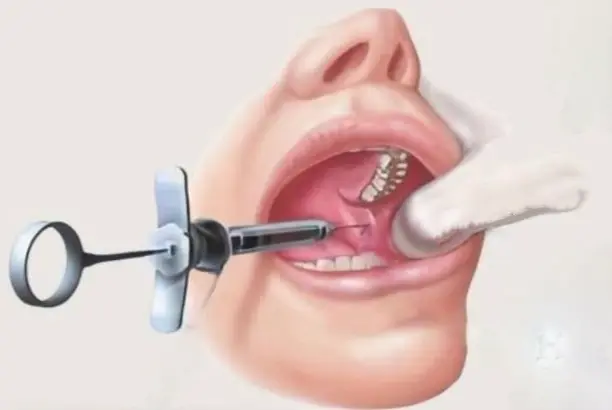
Comparative Analysis of Articaine and Lidocaine Powder in Clinical Use
Effectiveness in Topical Versus Injectable Applications
Lidocaine is very flexible when it comes to how it is delivered. Topical versions go deep into healthy skin to provide pain relief on the surface, making them good for venipuncture or small dermatological treatments. For surgical procedures, tooth extractions, and stitching, injectable types provide deep nerve blockade. Articaine is better at penetrating bone in dental uses, especially when it comes to mandibular infiltrations, where lidocaine used to need nerve blocks. In periodontal clinic case studies, articaine infiltrations were able to numb the mandibular teeth in 87% of patients, while lidocaine infiltrations alone were only successful in 63% of patients.
Patient Comfort and Procedural Outcomes
Different patients can tolerate these drugs in different ways. Lidocaine powder has a long history that goes back more than 60 years, giving doctors a lot of information about how it works. With buffered lidocaine solutions, burning feelings during injections happen less often, which makes the procedure more acceptable to the patient. Articaine's quick action lowers anticipatory anxiousness because it numbs the skin within minutes. The length of analgesia affects how comfortable you are after a treatment. Longer-acting lidocaine formulations reduce pain that comes back during long dental or surgical procedures, while articaine's shorter period may mean that you need to take more of it for more complicated operations.
Preparation and Dosage Protocols
Lidocaine hydrochloride powder needs pharmaceutical-grade water or the right vehicles to be mixed with it. For cosmetic use, the concentration should be between 0.5% and 2%, and for injectable forms, it should be between 1% and 2%. Adding sodium bicarbonate in a 1:10 ratio to the solution makes injections less painful. The highest amount of lidocaine that should be given is 4.5 mg/kg without epinephrine and 7 mg/kg with vasoconstrictors, with the patient's weight and other individual factors taken into account. Similar weight-based formulas are used to figure out how much articaine to give, with a limit of 7 mg/kg to avoid widespread effects. When purchasing raw materials, procurement teams must check analysis methods like HPLC testing to make sure that purity standards meet or exceed 98%. This is to make sure that formulations are consistent and that regulations are followed.
Procurement Insights: Selecting Lidocaine Powder and Articaine for Your Business Needs
Quality Parameters and Certification Standards
Pharmaceutical-grade numbing powders need to be closely inspected for quality. High-performance liquid chromatography (HPLC) testing methods that find impurities, heavy metals, and bacterial contamination must show that the purity level is at least 98%. Certificates of analysis should include data that is specific to each batch, such as the molecular weight, melting point ranges, and amounts of leftover liquid. Regulatory compliance is an important factor that can't be negotiated. For example, FDA registration, ISO approval, HACCP routines, and GMP production standards protect buyers from low-quality materials that damage the purity of the formulation. Third-party testing by accredited labs adds another layer of security, especially for foreign shipments that go through several regulatory areas.
Supplier Evaluation and Logistics Considerations
To find trusted providers, you need to look at their manufacturing skills and how clear their paperwork is. Facilities that run three production lines in GMP-compliant workshops and have two separate quality control labs to back them up show that they are committed to consistent output. The smallest amount you can buy is usually 1 kilogram, which is enough for both small-scale testing of new recipes and large-scale production. Putting products in 1-kilogram metal foil bags or 25-kilogram drums keeps them stable during transport by keeping out moisture and light. Delivery times that are usually between 3 and 7 working days after payment allow for quick prototype development cycles, which are very important for R&D teams that have to meet tight project targets.
With bank transfers, PayPal, Western Union, and Alipay, among other flexible payment options, foreign buying processes can be accommodated, and financial friction is reduced. When you order more in bulk, the benefits become clear because the cost per unit goes down a lot. Shipping operations must plan for temperature-controlled travel when it's needed, especially in places where the weather is very hot or cold and could damage the quality of the goods before they get to their destination.
Market Comparison: Lidocaine Powder vs. Alternatives
Formulation Versatility and Market Positioning
Lidocaine is the most popular local anesthetic because it can be used in a variety of situations. Lidocaine powder can be used as an ingredient in creams, oils, patches, sprays, and injectable treatments, which gives companies more options when making new products. Articaine is a type of dental anesthetic that is mostly sold in the form of injectable capsules. Prilocaine and benzocaine are two other options. Prilocaine works just as well as bupivacaine. Benzocaine is better for over-the-counter topical products even though it starts working more slowly.
According to comments from suppliers, there is a growing need for pharmaceutical-grade powders that can help with unique formulation projects. Companies that are making transdermal patches, mucoadhesive films, or new drug delivery systems want to find high-purity starting materials that can be easily mixed into their own special matrices. Lidocaine's physicochemical qualities have been studied a lot, which makes formulation optimization easier and speeds up development times compared to less-studied options.
Emerging Trends and Regulatory Developments
New ways of delivering anesthetics keep getting better. Using liposome packaging technologies, lidocaine can be used for longer than usual, providing 24-hour pain relief after surgery. Vaccinations will not hurt with microneedle arrays that contain numbing powders, which is especially important for children. In response, regulatory environments change. For example, the FDA is looking more closely at industrial processes and wants electronic batch records and quality tracking systems that work in real time. European REACH rules require strict paperwork for chemical substances, which changes how they are imported and how suppliers are chosen.
People who make decisions about procurement can gain from predicting these changes. Partnering with providers who have a wide range of certifications provides continued entry to the market even as rules get stricter. Risk-averse buyers will want to work with suppliers for a long time if they show they are serious about compliance through regular checks and clear documentation of the supply chain.
Best Practices for Safe and Effective Use of Lidocaine Powder and Articaine in Medical Procurement
Formulation and Handling Protocols
For a mixture to work, it needs to be accurately weighed and dissolved slowly. Lidocaine powder dissolves easily in water, ethanol, and propylene glycol liquids when the temperature is kept below 60°C to keep the powder from breaking down. During the soaking stages, magnetic stirring keeps the mixture homogeneous. Closed-system handling is required by safety rules to limit exposure to airborne particles. Nitrile gloves, safety masks, and lab coats are worn by users. During dispensing, leftover powder is caught by ventilation devices with HEPA filters.
For best stability and tissue compatibility, reconstituted solutions need to have their pH adjusted to normal ranges (6.0–7.5). Using methylparaben or propylparaben in preservative systems increases the shelf life of multi-dose containers. Single-use bottles, on the other hand, get rid of concerns about preservative-related sensitivities. Before the final packing, bacterial contaminants are removed through sterile filtration through 0.22-micron filters, which meet the standards for injectable products.
Risk Management and Long-Term Storage
Lidocaine powder dosage accuracy helps prevent formulation issues. When growing up a recipe, calibrated syringe pumps and automatic dispensing systems cut down on mistakes made by people. During batch reconciliation, it is checked that the theoretical and real yields of lidocaine powder are within reasonable ranges, which are usually within ±2%. Labeling for lidocaine powder must be correct for regulatory reasons, including concentration statements, expiration dates, and lot numbers that can stand up to an audit.
For long-term keeping, buildings need to be climate-controlled so that the temperature stays between 15°C and 25°C and the relative humidity stays below 60%. First-in, first-out rules are used for inventory movement, which cuts down on waste from old stock. Testing for stability at accelerated conditions (40°C, 75% RH) suggests how long something will last in real-life storage, which helps set repeat intervals and expiration dates. These methods are in line with the ICH Q1A standards for studies on the safety of pharmaceuticals.
Conclusion
When it comes to local anesthesia, articaine and lidocaine each have their own benefits. Lidocaine is the best choice for many different types of uses, including oral, injectable, and mucosal anesthesia. It can be made in a lot of different ways and has been clinically proven to work for decades. Articaine works very well for tooth infiltrations that need to start quickly and go deep into the bone. Pharmaceutical-grade lidocaine hydrochloride powder that meets strict requirements, including 98% purity via HPLC, full certifications such as FDA registration and GMP compliance, and reliable logistics delivering within a week, is a good source for procurement professionals who put a high value on high-purity raw materials. Knowing about the different aspects of pharmacology, government rules, and the best ways to formulate medicines helps buyers make smart choices that make products work better and support positive outcomes in all places around the world.
FAQ
1. What distinguishes articaine from lidocaine in clinical practice?
Articaine has a thiophene ring that makes plasma digestion go faster. This lowers the risk of systemic exposure. Lidocaine pain relief lasts longer than articaine, usually 90 to 120 minutes vs. 60 to 75 minutes. Lidocaine comes in a wider range of formulations that can be used for topical, injectable, and mucosal uses in a wider range of medical fields. Articaine is better at penetrating bone when used in dentistry infiltrations.
2. How should pharmaceutical-grade lidocaine powder be stored?
Keep things in sealed packages in dry, cool places out of direct sunlight. Keep the temperature between 15°C and 25°C and the humidity below 60%. For two years, sealed keeping keeps its strength. HPLC testing checks the purity of products throughout their shelf life, making sure they meet legal standards.
3. Which certifications confirm anesthetic powder quality?
Some important certificates are FDA registration, ISO standards, GMP manufacturing compliance, HACCP routines, and, if needed, halal or kosher designations. Certificates of analysis showing batch-specific purity through HPLC, heavy metal screening, and microbial testing give buying teams more confidence in the quality of the products they are looking at.
Partner with Jianbei for Reliable Lidocaine Powder Supply
Jianbei Biotechnology Co., Ltd. has production facilities that are GMP-certified and have three specialized lines and two separate quality control centers. This makes sure that the pharmaceutical-grade lidocaine powder meets the highest standards in the industry. Our requirement for 98% purity, which was confirmed by HPLC testing, helps keep the formulations of oral, injectable, and mucosal anesthetic goods consistent. We provide trustworthy raw materials that meet strict international standards because we have 15 national creation patents and many certifications, such as FDA registration, ISO, HACCP, and GMP compliance. Orders as little as 1 kilogram can be delivered within 3–7 business days, so they can be used for both small-scale tasks and mass production. As a reliable Lidocaine Powder supplier dedicated to your formulation success, please email our team at sales@bqingbio.com to talk about your unique needs, request samples, or look into our low bulk price.
References
1. Malamed SF, Gagnon S, Leblanc D. Articaine hydrochloride: a study of the safety of a new amide local anesthetic. Journal of the American Dental Association. 2001;132(2):177-185.
2. Becker DE, Reed KL. Local anesthetics: review of pharmacological considerations. Anesthesia Progress. 2012;59(2):90-102.
3. Hawkins JM, Moore PA. Local anesthesia: advances in agents and techniques. Dental Clinics of North America. 2002;46(4):719-732.
4. Brandt RG, Anderson PF, McDonald NJ, Sohn W, Peters MC. The pulpal anesthetic efficacy of articaine versus lidocaine in dentistry: a meta-analysis. Journal of the American Dental Association. 2011;142(5):493-504.
5. McLure HA, Rubin AP. Review of local anaesthetic agents. Minerva Anestesiologica. 2005;71(3):59-74.
6. Yagiela JA. Local anesthetics. Anesthesia Progress. 1991;38(4-5):128-141.